The basic rules of Italian espresso
A classic espresso is short, concentrated and topped with a hazelnut-coloured crema. Getting it right means balancing dose, grind, temperature and time. Once you know these four variables, you can fix any problem in a targeted way.
- Dose: about 7 g for a single, about 14 g for a double espresso
- Brew time: 20 to 30 seconds
- Volume in the cup: about 25 to 30 ml per single espresso
- Water temperature: 90 to 94 °C
- Grind: fine, ground right before brewing
With a portafilter: full control
The portafilter machine is the master class. Grind your beans fine and fresh, put the dose into the basket and distribute the grounds evenly. Then tamp level, with consistent pressure. A tilted or loose puck lets the water find the easiest path and the espresso extracts unevenly.
Lock in the portafilter and start brewing straight away so the grounds do not sit on the hot group head. If the espresso runs faster than 20 seconds, grind finer. If it takes well over 30 seconds, grind a little coarser. Warm your cups too: a cold porcelain rim cools the espresso instantly.
With a moka pot: the Italian classic
In many Italian homes, the moka pot sits on the stove. It builds less pressure than an espresso machine and makes a strong, aromatic coffee with a character of its own. Fill the bottom chamber with water to just below the valve. Using water that is already hot shortens the time on the stove and helps avoid bitterness.
Fill the funnel with coffee to the brim, but do not press it down. Grind a little coarser for the moka than for a portafilter. Place the pot on medium heat and take it off as soon as the coffee starts to gurgle. That keeps the taste round and pleasant.
With a bean-to-cup machine: easy and consistent
A fully automatic machine grinds, doses and brews for you. For a truly Italian taste, set the grind to medium-fine or fine, choose a small cup volume of about 25 to 30 ml and a high strength setting. Many machines come set to larger volumes from the factory, which waters the espresso down.
For more tips on choosing beans and adjusting settings, read our guide coffee beans for bean-to-cup machines.
Grind fresh and store properly
The most important tip for every method: grind only shortly before brewing. Ground coffee loses much of its aroma within minutes. So buy whole beans and keep the pack tightly closed, cool, dry and dark. The fridge is not a good place because of moisture and other smells.
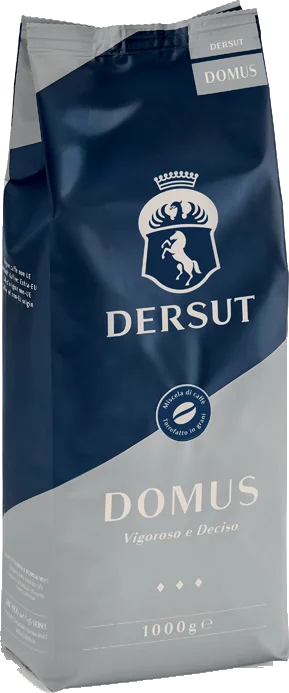
The bean itself makes a difference too. Dersut Optimum Rosso, intensity 4 out of 5, delivers long-lasting crema and notes of cocoa and pastry, and works equally well for espresso and cappuccino. If you like it stronger, choose Dersut Domus Marrone, intensity 5 out of 5, with a very intense aroma and round body. Both suit portafilter, moka pot and bean-to-cup machine.
FAQ
How much coffee do I need for one espresso?
About 7 g for a single and about 14 g for a double. That gives roughly 25 to 30 ml in the cup per single espresso.
Why does my espresso taste sour?
Usually the grind is too coarse or the water is not hot enough, so the coffee runs through too fast. Grind finer and aim for 90 to 94 °C.
Why does my espresso taste bitter?
Often the grind is too fine, the brew time too long or the machine not clean. Grind a little coarser and clean the group head and basket regularly.
Which beans work in a moka pot?
Both Dersut blends work well in a moka pot. Just grind a little coarser than for a portafilter.